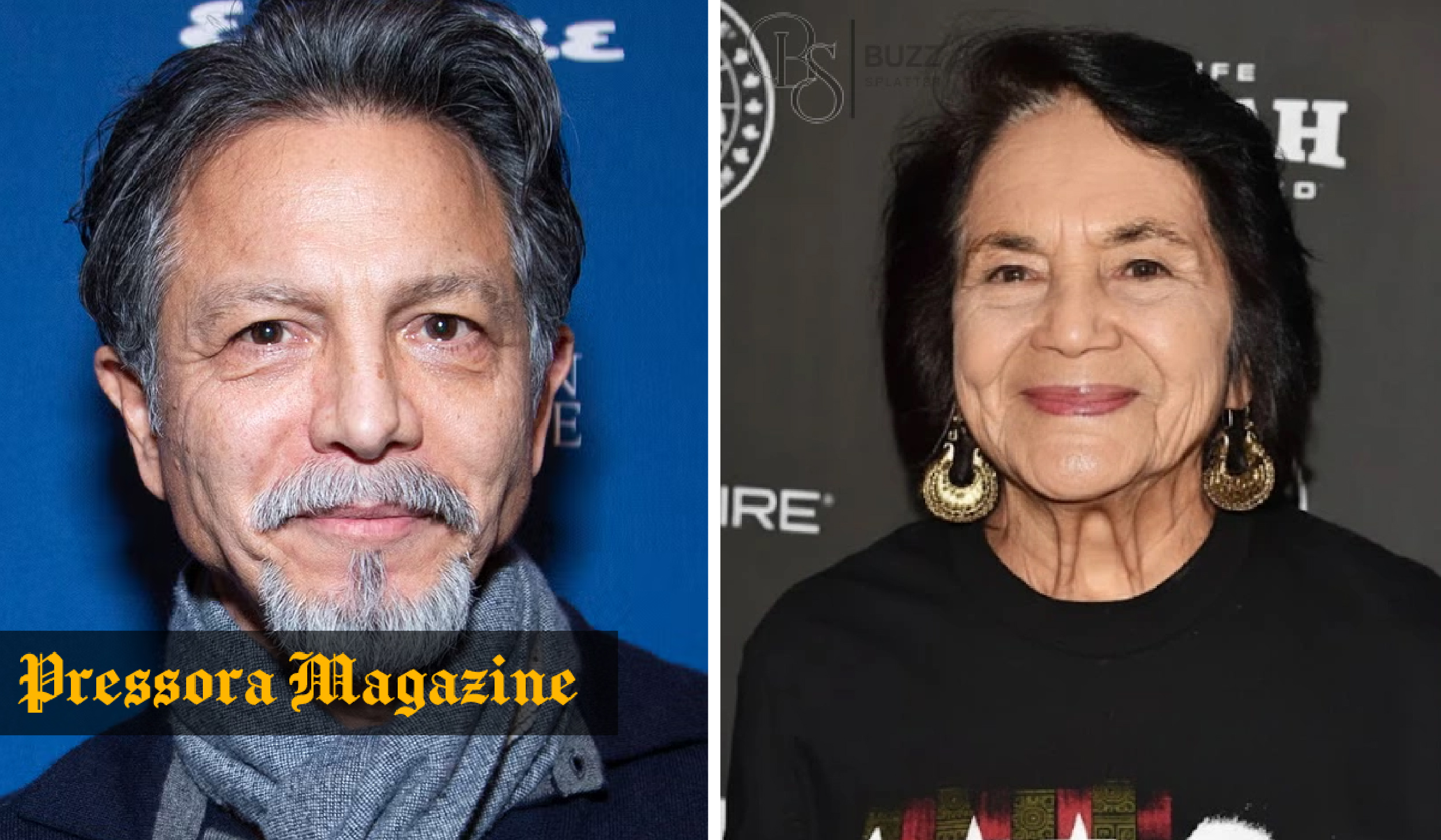
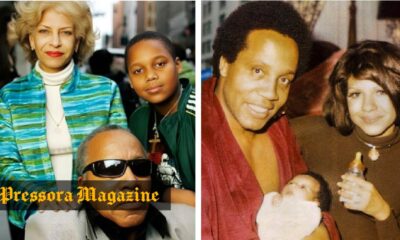
Eldy Banda is best known as the mother of actor Benjamin Bratt and filmmaker Peter Bratt, but her own life carries an important story of culture, family, service, and activism. Born in Peru, she came from Quechua Indigenous roots that remained an important part of her identity.
After moving to the United States, Eldy built her life in San Francisco and worked as a nurse while raising five children. Her experiences as an immigrant and mother shaped the values she shared at home.
She also supported Indigenous rights and brought her children to the Occupation of Alcatraz, leaving a lasting influence on their lives.
In this article, we cover Eldy Banda’s early life in Peru, Quechua heritage, move to the United States, nursing career, marriage, children, Indigenous rights activism, influence on Benjamin and Peter Bratt, and lasting family legacy.
Who Is Eldy Banda?
Eldy Banda is a Peruvian-born nurse and Indigenous rights supporter who became widely known through her famous children. She is the mother of Benjamin Bratt, an accomplished film and television actor, and Peter Bratt, a filmmaker known for culturally focused projects.
Her public story, however, goes beyond her connection to entertainment. Eldy spent much of her professional life working in nursing while raising a large family in San Francisco.
Her Quechua ancestry and interest in Indigenous causes strongly shaped the Bratt household. These values later became visible in the careers, public work, and cultural interests of her sons.
Early Life in Peru
Eldy Banda was born in Lima, Peru, into a family with Indigenous Quechua roots. Her early years connected her with a cultural background that reaches deep into the history of the Andes and has remained an important part of her family identity.
She spent part of her childhood in Peru before leaving for the United States with her family. Reliable biographical accounts state that she moved to America while she was still young, eventually establishing her life in California.
Although detailed information about her childhood remains limited, her Peruvian upbringing and heritage became central parts of the identity she later passed to her children.
Quechua and Indigenous Heritage
Eldy Banda is of Quechua descent, connecting her family to one of the major Indigenous peoples of the Andean region of South America. Her heritage became much more than a background detail because it influenced how she understood culture, history, and social responsibility.
After settling in the United States, Eldy continued to identify strongly with her Indigenous roots. She encouraged her children to recognize this part of their ancestry instead of allowing it to disappear as they grew up in America.
Benjamin Bratt has also publicly embraced his Indigenous background, showing how strongly this cultural connection remained within the family.
Moving From Peru to the United States
Eldy Banda moved from Peru to the United States when she was young. Published accounts of Benjamin Bratt’s family background state that she immigrated with her family during her teenage years, eventually becoming part of San Francisco’s diverse cultural community.
Starting life in another country meant adapting to a different language, social environment, and way of life. Even after making America her home, Eldy maintained a strong connection with her Peruvian and Quechua identity.
That combination of immigrant experience and cultural pride later became important in raising her children, who grew up understanding both their American surroundings and their mother’s Indigenous heritage.
Education and Nursing Career
Eldy Banda built a professional life in healthcare and became a nurse, a career that provided stability while she raised her children. Nursing remained her main occupation rather than entertainment, even though two of her sons later developed successful careers in film and television.
The profession suited a life centered on service and responsibility. Working as a nurse while managing the needs of a large household required organization, patience, and long-term commitment.
Public sources provide few dependable details about her nursing education or specific workplaces, but her profession is consistently identified in biographical information about Benjamin Bratt and the wider Bratt family.
Marriage to Peter Bratt Sr.
Eldy Banda married Peter Bratt Sr., who worked as a sheet metal worker. Their family made its home in San Francisco, where their children spent their formative years surrounded by the city’s varied cultural communities and important social movements.
The couple had five children together, including Peter Bratt and Benjamin Bratt. Their marriage eventually ended, leaving Eldy with major responsibilities as she continued raising the children while maintaining her professional life.
The separation became an important period for the family. According to later accounts from Peter Bratt, his parents had separated around the period when Eldy became involved with the Alcatraz occupation.
Eldy Banda as a Mother of Five
Motherhood formed one of the most important parts of Eldy Banda’s life. She raised five children while working as a nurse, creating a family environment that emphasized cultural awareness, responsibility, independence, and respect for people from different backgrounds.
Her children were not sheltered from the social issues surrounding them. Instead, Eldy introduced them to discussions about Indigenous identity and civil rights while they were still young.
This approach had a clear influence on the family. Benjamin later developed a strong interest in Indigenous representation, while Peter became a filmmaker whose work frequently explores culture, community, identity, and social justice.
Benjamin Bratt: Eldy Banda’s Famous Son
Benjamin Bratt was born in San Francisco in 1963 and became the most internationally recognized member of Eldy Banda’s family. He developed a successful acting career across television, film, and voice work, gaining particular attention for playing Detective Rey Curtis on Law & Order.
His career later expanded through films and other major screen projects, allowing him to become a familiar Hollywood figure. Yet his family background has remained an important part of his public identity.
Benjamin has openly acknowledged his Indigenous Peruvian ancestry, reflecting the cultural awareness he received through his mother while growing up in San Francisco.
Eldy Banda’s Influence on Benjamin Bratt
Eldy Banda’s influence on Benjamin Bratt reached beyond ordinary family support. She exposed him to Indigenous history and activism at a young age, helping him understand that his cultural background carried meaning and responsibility.
One of the strongest examples came during the Occupation of Alcatraz. Benjamin was still a small child when Eldy took him and his siblings to the island, where Native activists were demanding greater recognition of Indigenous rights.
These experiences remained significant as Benjamin grew older. His later public support for Native causes and his willingness to discuss Indigenous history show how deeply his mother’s values shaped his outlook.
Peter Bratt: Eldy Banda’s Filmmaker Son
Peter Bratt, Eldy Banda’s son, built his career behind the camera as a writer, director, and filmmaker. His creative work has often explored subjects connected with family, cultural identity, community struggles, and the experiences of people whose voices receive limited attention.
Among his notable projects are La Mission and the documentary Dolores, centered on labor and civil rights activist Dolores Huerta. His work has kept strong connections with California and Latino communities.
Peter’s filmmaking interests make more sense when viewed alongside his childhood, which included exposure to his mother’s Indigenous identity, activism, and involvement with the Alcatraz occupation.
Eldy Banda’s Influence on Peter Bratt’s Career
Peter Bratt’s work reflects many themes that were already present in the household Eldy Banda created. Questions of identity, justice, dignity, community, and cultural history became subjects he later explored through filmmaking rather than simply ideas discussed during childhood.
His connection to the Occupation of Alcatraz was especially personal. Peter has publicly recalled going to the island as a child with his mother and siblings during the historic protest.
Those memories gave him firsthand exposure to organized Indigenous activism at a young age. Eldy’s willingness to involve her children in that experience helped connect family identity with larger questions about rights and representation.
Eldy Banda and the Occupation of Alcatraz
One of the most important chapters in Eldy Banda’s public story is her connection to the Occupation of Alcatraz. Beginning in 1969, Native activists occupied the former federal prison island in San Francisco Bay to draw attention to Indigenous rights and federal policies.
Eldy sympathized with the movement and brought her five children to the island. Peter Bratt later remembered arriving there as a seven-year-old with his mother and siblings.
For the Bratt children, this was not simply a historical event they later studied. They experienced part of it directly, making Indigenous activism an unforgettable part of their childhood.
Indigenous Rights Activism
Eldy Banda’s involvement with the Alcatraz movement reflected a wider concern for Indigenous rights. As a woman of Quechua ancestry, she understood Indigenous identity through both her Peruvian heritage and the struggles she witnessed among Native communities in the United States.
Her activism was meaningful because she involved her children instead of treating political and cultural issues as subjects only for adults. They saw people organizing around land, recognition, dignity, and historical injustice.
That early exposure helped create lasting awareness inside the family. Benjamin later spoke publicly about Native American history, while Peter continued addressing questions of culture and justice through his filmmaking.
Preserving Quechua Culture and Family Heritage
Eldy Banda helped ensure that her children understood where their family came from. Although they grew up in San Francisco, their mother’s Peruvian and Quechua background gave them a cultural connection that reached far beyond the United States.
Her approach to heritage appears to have emphasized pride rather than distance. The family did not treat Indigenous ancestry as an unimportant detail, and Benjamin has continued to acknowledge his mother’s Quechua background publicly.
Preserving that awareness helped the children develop a more complete sense of identity. It also provided a cultural foundation that later appeared in their activism, storytelling, interviews, and creative choices.
The Bratt Family’s Life in San Francisco
San Francisco played an important role in the Bratt family’s story. Eldy raised her children there during a period when the Bay Area was closely connected with civil rights activism, cultural change, artistic movements, and debates about social equality.
The family experienced this environment directly rather than from a distance. Their participation in the Alcatraz occupation placed the children close to one of the era’s important Indigenous protest movements.
Growing up in such surroundings likely reinforced lessons Eldy was already teaching at home about identity and community. San Francisco later remained significant to both Benjamin and Peter as their careers and public lives developed.
Personal Life Away From the Spotlight
Unlike Benjamin Bratt, Eldy Banda never built her life around celebrity attention. Her main public identity came from nursing, motherhood, cultural pride, and activism rather than acting, interviews, red-carpet appearances, or entertainment publicity.
This quieter lifestyle explains why detailed information about her private relationships, hobbies, and daily routine is limited. Most reliable references to Eldy appear in discussions of her children’s upbringing, Indigenous heritage, or the family’s experience during the Alcatraz occupation.
Her relative privacy also separates her story from the usual Hollywood family narrative. Her influence came mainly through the values and experiences she gave her children rather than through public recognition.
Where Is Eldy Banda Now?
Eldy Banda has remained largely outside the public spotlight in her later years. Unlike her sons Benjamin and Peter, she does not maintain a major entertainment career or regular media presence, so current details about her everyday activities are understandably limited.
Her strongest public connection continues to be the family she raised and the cultural influence she had on them. Discussions about Benjamin and Peter frequently return to their mother’s Quechua ancestry and her involvement in Indigenous activism.
For that reason, Eldy’s story continues to receive attention even without constant public appearances. Her importance is rooted more in family history and influence than celebrity visibility.
Eldy Banda’s Net Worth and Financial Life
Eldy Banda’s personal net worth has not been established through authoritative financial records. Online estimates may assign specific figures to her, but such numbers should not be treated as confirmed because her finances have never been a major subject of reliable public reporting.
What is well established is that Eldy worked as a nurse and supported her family through a professional healthcare career. Her financial story is therefore very different from that of her successful sons in entertainment.
Benjamin Bratt’s earnings or career wealth should also not be used to calculate Eldy’s finances, since they are separate individuals with separate financial histories.
Eldy Banda’s Legacy and Influence
Eldy Banda’s legacy can be seen most clearly through the values she passed to her children. Her Quechua heritage, nursing career, immigrant experience, motherhood, and support for Indigenous rights created an environment where culture and social responsibility were taken seriously.
Benjamin Bratt carried those lessons into a public acting career while continuing to acknowledge his Indigenous background. Peter Bratt expressed similar ideas through filmmaking centered on identity, community, and justice.
Eldy’s influence therefore extends far beyond being described simply as a celebrity mother. Her choices helped shape two creative careers while preserving a strong connection between generations of the Bratt family and their Indigenous roots.
Conclusion
Eldy Banda’s life brings together several meaningful stories: immigration, motherhood, professional service, Indigenous identity, and social activism. From her beginnings in Peru to raising five children in San Francisco, she maintained a strong connection to her Quechua roots while building a new life in the United States.
Her work as a nurse provided another important part of her identity, while her participation in the Alcatraz movement exposed her children to Indigenous rights at an early age.
Today, her influence remains visible through Benjamin and Peter Bratt. More importantly, her story shows how cultural pride and family values can continue across generations.
(FAQs)
Who is Eldy Banda?
Eldy Banda is a Peruvian-born nurse and the mother of actor Benjamin Bratt and filmmaker Peter Bratt. She is also known for her Quechua heritage, Indigenous rights activism, and influence on her children’s cultural awareness.
Where was Eldy Banda born?
Eldy Banda was born in Lima, Peru. She later moved to the United States while young and settled in San Francisco, California, where she built her nursing career and raised her five children.
What did Eldy Banda do for a living?
Eldy Banda worked as a nurse for many years. Her healthcare career helped her support her family while raising five children. Nursing remained an important part of her life outside her connection to Hollywood.
How many children does Eldy Banda have?
Eldy Banda has five children with her former husband, Peter Bratt Sr. Her best-known children are Benjamin Bratt, a successful actor, and Peter Bratt, a filmmaker, writer, and director.
Was Eldy Banda involved in the Occupation of Alcatraz?
Yes. Eldy Banda supported the Indigenous rights movement connected with the Occupation of Alcatraz. She brought her children to the island, giving them early exposure to Indigenous activism, cultural identity, and social justice.
What is Eldy Banda’s ethnicity?
Eldy Banda is of Quechua Indigenous heritage from Peru. Her cultural background became an important part of the Bratt family’s identity, and she encouraged her children to understand and remain proud of their Indigenous ancestry.
Read More: Who Is Tarlaysia Hatch? The Life Story Of Boosie Badazz’s Daughter