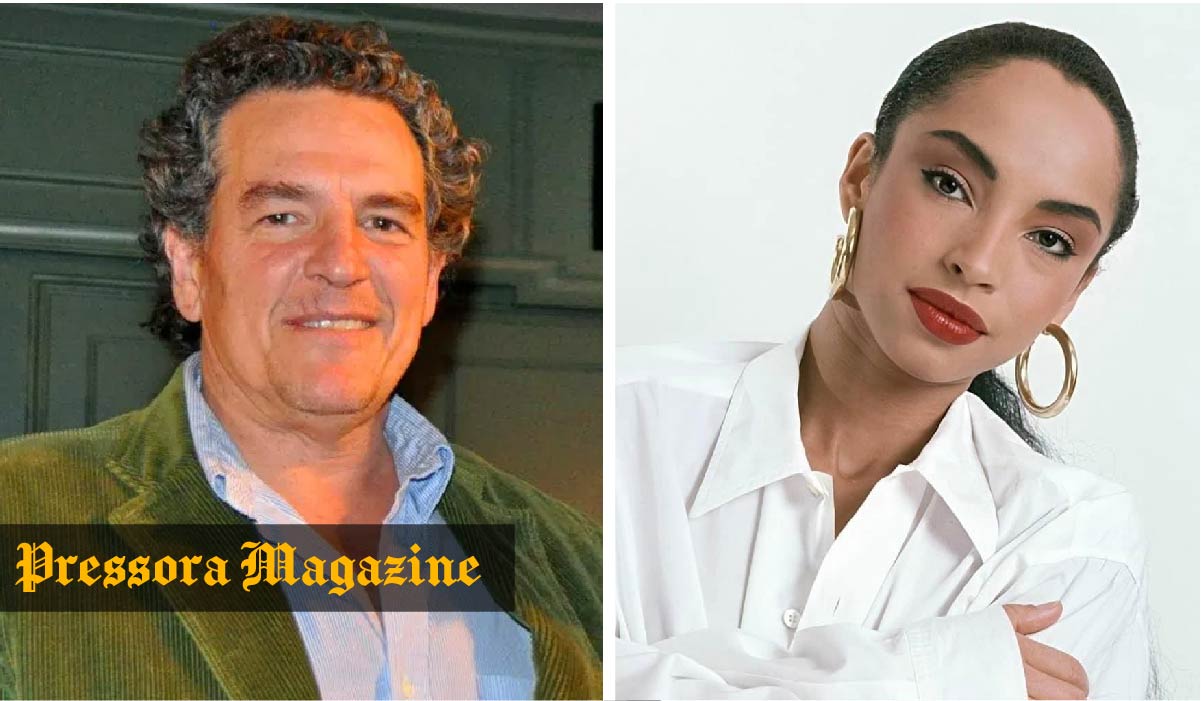
Carlos Scola Pliego is a Spanish filmmaker and film professional who worked behind the scenes on several productions. He is known for his work as an assistant director and director, including projects connected with Spanish and international cinema. Unlike actors and singers who spend much of their careers in public, Carlos built his professional life mainly behind the camera.
Many people also know Carlos Scola Pliego because of his relationship with British-Nigerian singer Sade Adu. The two married in 1989 after developing a relationship in Spain, but their marriage did not last. They later separated, and their divorce was finalized in 1995. His connection to Sade brought more public interest to his name, although Carlos continued to keep his personal life largely private.
This article takes a closer look at Carlos Scola Pliego’s life and the information available about him. It covers his early background, age, filmmaking career, movies, international projects, and documentary work. It also explores how he met Sade Adu, their marriage and separation, his life after the divorce, net worth, current whereabouts, and the work that shaped his career.
Who Is Carlos Scola Pliego?
Carlos Scola Pliego is a Spanish filmmaker who worked in several behind-the-camera roles during the late 1970s and 1980s. His credits include work as a script supervisor, assistant director, writer, producer, and director. He later became best known to the wider public through his marriage to singer Sade Adu.
His career included both Spanish productions and international films, giving him experience across different types of filmmaking. He also moved into documentary directing, where he took on greater creative responsibility.
Today, interest in Carlos comes from both his film work and his connection to Sade, although he has remained largely outside public attention.
Early Life, Age, and Background
Carlos Scola Pliego was born in Spain, but reliable public sources do not provide a confirmed date of birth. Because of this, his exact age cannot be stated with confidence. Much of his childhood and family background also remained outside media coverage.
What can be followed more clearly is his professional life. By the late 1970s, Carlos was already working in Spanish film production, which shows that his connection with cinema began well before his relationship with Sade made his name familiar to a wider audience.
His Spanish background remained an important part of both his career and personal life, especially during the years he worked on productions filmed in Spain.
Education and Entry Into Filmmaking
Carlos Scola Pliego’s formal education is not well documented, so there is no reliable public record showing which school, university, or film program he attended. His early professional credits, however, give a clearer picture of how he developed his filmmaking skills.
He began with practical production work rather than entering the public eye as a director. One of his earliest reported jobs was as a script supervisor, a role that requires careful attention to scenes, dialogue, props, costumes, and continuity.
From there, he moved into assistant directing. This gradual progress suggests that he learned filmmaking through real production experience and increasingly responsible work on active film sets.
Early Career in Spanish Cinema
Carlos began building his career through Spanish film productions at the end of the 1970s. He was linked to La boda del señor cura in 1979 and Ópera prima in 1980, where he worked in script supervision before taking on assistant-directing responsibilities.
These early jobs placed him inside the practical side of filmmaking. Script supervisors help maintain consistency between shots, while assistant directors help organize filming schedules, actors, crew members, and daily production needs.
During the early 1980s, Carlos continued moving through production roles. This period gave him the experience needed to work on larger Spanish and international projects later in his career.
Movies and International Film Work
As his career developed, Carlos Scola Pliego became involved with productions beyond smaller Spanish projects. His credits are connected with films and television productions that brought together international casts and crews, showing that his work was not limited to one part of the industry.
Among the projects linked to him are Eleni, the television production Christopher Columbus, Curse of the Pink Panther, and Never Say Never Again. His work was usually behind the camera rather than in front of it.
These jobs required organization and coordination more than public recognition. They also show that Carlos built a professional career before he became known through his marriage to Sade.
Work on Never Say Never Again
One of Carlos Scola Pliego’s most recognizable film connections is Never Say Never Again, the 1983 James Bond movie starring Sean Connery. Carlos worked as a second assistant director during the Spain portion of the production, although the role was uncredited on screen.
A second assistant director helps manage actors, schedules, call times, communication, and movement on set. It is an important production job, especially on a large film involving many departments and complicated locations.
His involvement in a major international production showed that Carlos could work within a demanding film environment. The same year, he also performed similar work on Curse of the Pink Panther.
Documentary and Directorial Career
After spending years working in supporting production roles, Carlos Scola Pliego eventually moved into directing. This allowed him to take greater control over storytelling, visual choices, and the overall direction of a project rather than concentrating mainly on production organization.
His best-documented directing work appeared toward the end of the 1980s. IMDb lists him as director of both Ngira: Gorilas en la montaña and Donde termina el corazón, two projects that became important parts of his known filmography.
This stage of his career showed a clear change. Carlos was no longer only assisting other filmmakers but was developing projects in which he could shape the story himself.
Ngira: Gorilas en la montaña and Donde termina el corazón
In 1988, Carlos directed Ngira: Gorilas en la montaña, a Spanish documentary short with a running time of about 25 minutes. He is also credited as its writer, giving him responsibility for both the concept and the way the story was presented.
The following year, he directed Donde termina el corazón. Together, these projects show his interest in documentary filmmaking and subjects outside traditional commercial entertainment. They also represent some of his strongest credits as a director.
Unlike his assistant-directing work, these films placed Carlos in a central creative position. They remain important when discussing his career separately from his later connection to Sade Adu.
How Carlos Scola Pliego Met Sade Adu
Carlos Scola Pliego and Sade Adu reportedly met during the 1980s when Sade was spending time in Spain. Accounts of their relationship connect their meeting with music-video work related to her album Promise, released during a period when her international career was growing quickly.
Carlos was already active in film production, while Sade was becoming one of the most recognizable voices in British music. Their professional worlds therefore had a natural connection through visual production and entertainment.
Their relationship developed away from constant public attention. Sade later spent more time in Spain, and by the late 1980s, Carlos had become an important part of her personal life.
Relationship and Marriage to Sade Adu
Sade and Carlos Scola Pliego developed a serious relationship during the second half of the 1980s. Sade had already achieved international success by this time, but their relationship was generally kept more private than many celebrity romances.
The couple married in 1989 in Spain. Reports from later profiles describe Carlos as the Spanish film director Sade fell in love with before relocating from London to Madrid. Their marriage connected two creative careers, one centered on music and the other on filmmaking.
Although Carlos became more widely known because of Sade, he did not turn the relationship into a public career. He continued to be described mainly as a filmmaker.
Married Life in Spain
Following their marriage, Sade spent an important period of her life in Madrid with Carlos. Moving from London to Spain gave their relationship a more private setting, even though Sade’s music career meant she remained an internationally recognized public figure.
Carlos, by comparison, continued to work mostly behind the scenes. Their different levels of fame may explain why far more information exists about Sade’s career than about their everyday married life.
Later interviews with Sade suggest the relationship became emotionally difficult before ending. Even so, the couple did not turn their problems into a long public media dispute, and Carlos himself remained largely silent about their private experiences.
Separation and Divorce
Carlos Scola Pliego and Sade Adu eventually separated after their marriage became troubled. Sade later spoke about the emotional pain surrounding the breakup, describing it as a difficult period that affected her deeply for several years after the relationship ended.
The marriage legally ended in 1995. Public sources do not provide a detailed explanation from Carlos about why the relationship failed, so it would be inaccurate to assign one simple cause to their divorce.
What is clear is that the separation marked a major change in both lives. Sade returned to Britain and continued her music career, while Carlos gradually became far less visible in public coverage.
Children and Family Life
Carlos Scola Pliego and Sade Adu did not have children together during their marriage. Their relationship therefore did not leave them with a shared parenting connection after their divorce, and available accounts of Carlos’s later family life remain limited.
Sade became a parent after her relationship with Carlos had ended. Her child came from a later relationship, so that part of Sade’s family history should be kept separate from her marriage to Carlos.
Carlos has not built a public identity around his family life. Most reliable information about him focuses instead on his filmmaking credits and his former marriage, leaving his later personal relationships largely outside public view.
Life and Career After Sade
After his marriage to Sade ended, Carlos Scola Pliego largely disappeared from celebrity coverage. However, his film record suggests that he did not completely vanish from professional work immediately after the relationship ended.
IMDb lists a later connection to Goal II: Living the Dream, released in 2007, where he appears under additional crew. This is much later than his better-known filmmaking work from the 1980s and shows that his screen credits extended beyond the period of his marriage.
Even with this later credit, Carlos did not develop a public celebrity profile. His name continued to appear mainly through film databases and articles discussing Sade’s personal history.
Where Is Carlos Scola Pliego Now?
Carlos Scola Pliego has remained largely outside the public spotlight in recent years. There is no strong, widely reported information confirming his present residence, everyday activities, or whether he continues to work regularly in film production.
His most visible later film credit is connected with Goal II: Living the Dream from 2007. After that period, his public professional record becomes much quieter, especially compared with his work during the 1980s.
This low public profile fits the pattern seen throughout his life. Carlos gained attention through both filmmaking and his marriage to Sade, yet he never developed the kind of public presence usually associated with celebrity figures.
Career Legacy and Public Interest
Carlos Scola Pliego’s career is best understood through the variety of filmmaking jobs he performed. He worked his way from script supervision and assistant directing into writing, producing, and directing, giving him experience in several important areas of film production.
His connection with Never Say Never Again gives his career an international point of interest, while Ngira: Gorilas en la montaña and Donde termina el corazón show his work as a director rather than only an assistant.
Public curiosity remains strongly connected to Sade, but his filmography gives him a professional identity of his own. That distinction is important when telling his full story.
Final Thoughts
Carlos Scola Pliego is remembered as a Spanish filmmaker whose career developed mostly behind the camera. From early production work to international assistant-directing jobs and later documentary projects, he built experience across several areas of filmmaking during an active period of his professional life.
His marriage to Sade Adu introduced his name to a much wider audience. Their relationship became an important chapter in Sade’s personal history, but it represents only one part of Carlos’s story.
In later years, he chose a much quieter public life. His documented film credits remain the clearest record of a career shaped more by production work and directing than by celebrity attention.
(FAQs)
Who is Carlos Scola Pliego?
Carlos Scola Pliego is a Spanish filmmaker who worked in different behind-the-camera roles, including assistant directing and directing. He is also widely known as the former husband of British-Nigerian singer and songwriter Sade Adu.
What is Carlos Scola Pliego known for?
Carlos is known for his work in Spanish and international film productions. Public interest in him also comes from his marriage to Sade Adu, one of the most successful and respected singers of her generation.
When did Carlos Scola Pliego marry Sade Adu?
Carlos Scola Pliego and Sade Adu married in 1989 in Spain. Their relationship attracted attention because Sade was already an internationally successful singer, although the couple generally kept their marriage away from heavy media attention.
Did Carlos Scola Pliego and Sade Adu have children?
Carlos Scola Pliego and Sade Adu did not have children together during their marriage. Sade later became a parent through another relationship, but Carlos and Sade did not start a family together as a couple.
What movies did Carlos Scola Pliego work on?
Carlos Scola Pliego worked behind the camera on Spanish and international productions. His career is associated with assistant-directing work and documentary projects, including Ngira: Gorilas en la montaña, which he directed during the late 1980s.
Where is Carlos Scola Pliego now?
Carlos Scola Pliego has maintained a private life, especially following his separation from Sade Adu. Reliable recent information about his current residence, career, and personal activities is limited because he rarely appears in the public spotlight.
Read More: Who Is Diane Addonizio? All You Need To Know About Howie Long’s Wife’s Life